
Now I don’t know how many of you have pain but chronic pain is on so many levels and depends where it is originated. Now i am in the process of living with chronic pain from my lower back. Back pain to some is on a even higher level of pain and when it becomes chronic pain it is even worse. I hear a lot of people complain about pulling a muscle in their back or they have a twinge / twist our slight ache in their back. Im just off to the side like welcome to my world but they only feel it for a days. While i just feel the pain all the time all at different times of day or days and at different levels of pain.
Now i can fall asleep most nights but their are times when the pain is just their and consistent all in different forms from aches in low back to sharp stabbing and or tight pinching in my back to my legs.
Their is times i can sleep and their are days i do not have a severe pain. These days are few but their is days very few that i would say my pain level is a low level like a 4 i guess. These days are the days i still take it easy since i do not know how long i am going to be in so little pain. Now if i do not take it easy since i am feeling good and i would rather get things done i just might keep up the moment and pray i do not feel horrible the next day or the next few days or longer their really is no telling.
The worst part is the amount of work does not really matter their has been days were i would do some yard work and felt like i was hit by a bus and in pain and haveing a hard time walking for a week or so. The best part is i also have done nothing but relax with my family and same thing felt like a truck hit me. Their have also been times i have did some labor intensive work and felt good the next day. Chronic pain and or chronic back pain is almost like playing Russian roulette. Russian Roulette is and old bravery and stupidity game of chance take a six shooter place a bullet in and spin the mag then place the gun to your head and squeeze the trigger and pray the bullet is not in the chamber, if it is lets say you just met your maker. That is how i feel chronic pain can be.
Now theory about chronic pain has been from mental to emotional physical pain. I do not know what to consider it my self as i feel emotional when I can’t do things and or can’t play with my kids/ Grandchildren, physically when i can not walk or run at all and their are some people that think im just trying to get sympathy. Huh yeah like i like being dependent to carry groceries in and or even walking when im at my worse.
I struggle all the time with things like should i tell the people how bad i am around me or just try and struggle? This is the hard part since some people believe their is no way i could be in pain randomly some days or hours in the day and not always in sever pain. I have days that are good like everyone else, I question most days, I am in a constant guard to be in pain. Classes are not the same as you think, these Kaiser pain management classes only teach you how to cope with and live with the pain like deep breathing or box breathing these are all great techniques to lower heart rate and possible lower the pain level as anxiety can make pain worse.
The thing with the human body is like a maze mixed with a puzzle, their are times you may think you have taken the right turn and found the puzzle peice that fits just to run in to a obsticale or the peice is not fitting perfectly. Now maybe for some the peice that barely fits might be good enough but i have always been active. As a kid I would be the one climbing trees and jumping on roofs just because and now not being aable to walk some days is just not the thing for me. I love doing my best and getting alot done and being depended on so haveing to depend on others and not being able to tire myself out is like a sqeeky wheel for me it is the gear that just cant shift up and stuck.
Sleeping is the way the body and mind rest and process the day they had expereinced and reset for the next day. with out sleep your mind cant process emotional and intelectual things that happened and starts to creats a blockage and or an anxiety build up of the information that needs to be processed. Physically lack of sleep is draining body doesnt get enough sleep to reset certian functions might get harder thru the week and more strain gets put on the inner functions of muscles and or bones depending on the tasks completed.
To be in pain is a real obsticall and to not get sleep and or wakee up from sleep is a real pain as the body doesnt reapir it self and the equallibrium of the mind and body get mest up and then the next day is harder and maybe more pain this is just me ranting but what do you think?
Author: Originalorient
-

Pain & Awake or Waking up
-

Time and hobby
Now i havent posted in a while and that is something that has been on my mind but I have been busy with life and barely had time to breath. Now my life is not as busy as some but for my chronic issues and work life it can be hard. Now my main job is a daily 9-6 shift and and after that is my famaily. Now most people might take some time to their selves I do not really do that as I take pleasure in making my wife and kids happy. I come home and cook dinner for my wife and kids help feed my 1 year old and autistic 3 year old that are actually my foster kids but i see them as mine and would do anything for my babies. This is the fun part since I have had them for a year now and the baby baby was only a few months old, but our actuall youngest child was 11.5 years old . Now that is starting over if you you would say so. Almost a decade since I had a baby and some things have changed not to mention the extra strictions that are placed for foster parents, this can keep you busy. Now to add on to the work my wife runs a family style daycare as our oldest daughters are in their mid 20’s with kids bolth 4 or younger with multiple babies and that means makeing sure the house is clean and kids ar occupied and up to date with doctors visits and enough social interaction to make the babies become good human beings. Now to have a hobbie or pastime is great but can be expensive so my past time is playing with my babies and trying to keep my house up to date, during these times and this era of time things are tuff and expensive and money is tight for us so we focus on the kids and not really fun time for us adults. The main thing i have been working on is trying to get extra cash so that is one reason as I was not posting but i will try and keep up and hopefully you enjoy the read of a my ranting. give me some thought on this i would love the input thank you.
-
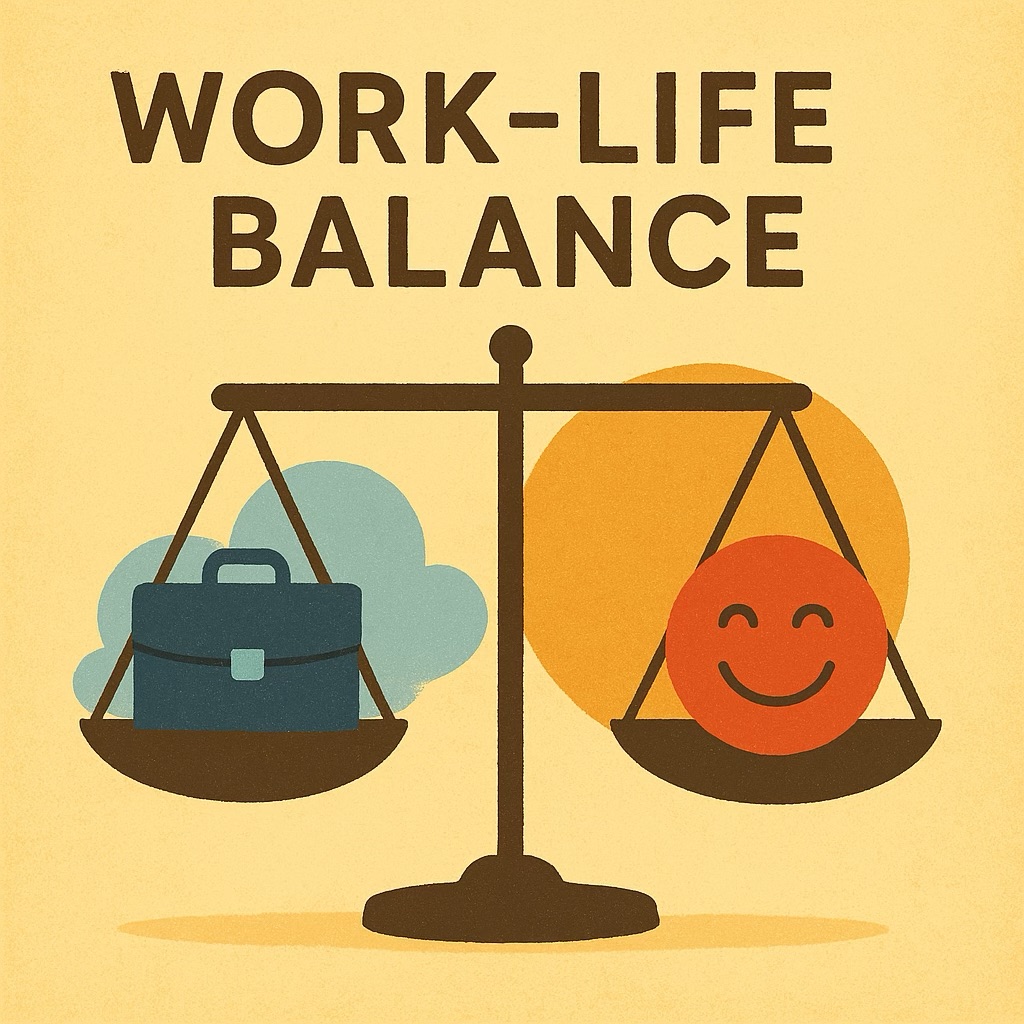
My Work life and balance??
So this starts out at my life of the age of 32 years old working full time 80 hrs plus a pay period. Last year i brought home about 55,000 before taxes and now my wife is in the transition of changing jobs and her Income will be cut as she was more of the bread winner and fun activity creator for the house as I’m the boring dad. The thing is i like my main job as i get to experience a lot of different situations and items. I’m considered a sales loan associate. Ie i write collateral loans, sale items, and money. Can you guess my profession? It is one of the oldest and longest running carriers in the world. This is my main day job but i have dabbled in the past at part time jobs and dual time jobs as in multiple jobs at once. I have looked into the basic of part time and or gig jobs that require a 10-99 tax form these are the jobs that you have to pay the taxes yourself and withheld before the Mooney enters your bank account. These are called self employed jobs self freelance. Most common ones that come to mind are door dash Uber eats lift and so on. In the past have driven for door dash and not a big fan of the drive thru and or food delivery service.
Recently with my wife recently placed on leave for medical i am in more of a drive to pick up some of the slack for my wife. I’m in a situation were i’m almost paid up on my car loan and that would free up some money and a personal loan as well that takes up a good chunk of my pay with these taken out i would not have to work as hard to get caught up in bills. Anywho im looking to check in to these apps that i have found in the App Store and or thru other internet streamers. I don’t know any names or sources sorry as in this is from memory and an impulse to write. One app i found was the common amazon app Amazon Flex, and another package delivery app called Roadie. The first time I opened the the Roadie app on a Friday after noon around 4 their was two deliveries one for 11.30 and another for $23 i think not exact but that was end of day.
Now These delivery apps require certain parameters to work for these gig apps, like being able to drive. Need a license, a Car and or larger vehicle to transport said product/ package. I did check roadie on the fist weekend after download and their was no packages for the weekend. Now i believe the roadie app is a subsidiary for fed express shipping, so they would not run on weekends. I am going to check a few times a week and start using the app to make some money. The app is self explanatory about how it works and it goes thru how to accept and deliver the Package once delivered the pay should be sent to funds and i believe it goes thru every Tuesday. Just like door dash has a weekly pay so does this app I haven’t checked many out but I’m interested in working on these side gigs and possibly making new connections in work and career. Plus working Gigs and or side jobs allows the person to learn grow and grind away at the bills,savings, and or short term money crises.
Now I did attempt to work with these apps for a few weeks but the Amazon flex had a waiting list and i signed up and thought maybe I would get approved soon. I logged into the roadie app but for some reason i could never get a gig with them so i was starting to loose hope. These were being over flooded with workers as it was around the time the pandemic ended and their was still plenty of people working and or apply in these type of jobs. When i calculated some of the deliveries with roadie it was not worth the wear and tear on my 2016 ford expedition. I kinda just gave up on using my car and I Headed to have a 2nd form of income to help with the bills as we transition to a single income house from a two income.
I eventually ask a few friends and family about job opening for night just a part time one so i can still function at my main job in the day. My brother was working at a local grocery store as a night shift shelf stocker. I eventually was able to apply and talked to his boss and she like my enthusiasm and told them my availability and that was good to.
i picked up the night shift shelf stocker for the hours of 11pm to 4am for 2 to 3 days starting. I was able to pick up a extra shift here and their. After a few weeks of this schedule that was working with me and i had a good relation with the night manager so the schedule stayed the same.
Now one thing about this company is they are always training new management and they rotate the managers and lead clerks from night to day ever couple of quarters and it was time. The Manager i had good relations was moving to day and another up incoming manager was transferring in to learn the night shift role and what a curve it was. Now with this new night manager he started to schedule me more and more hours first a few 8 hour days that was ok then it became full night shifts. I told them i can not keep this up as this is not my main job it is my second job and I’m not making more than my first so can you please fix my schedule. Now this manager was not in the business to train and or work with employees they are the type to only shoot for their accommodations and they threw a huge wrench in our flow for the crew members. I asked them multiple times a month to fix my schedule, all i got in return is you should put it in the computer. After asking how he said ask the day manager, they knew i could not come in as i was working at my main job. I stuck it out making 40 hrs a week at day and at night for a total of 80 hour work weeks plus family events. Now I can’t tell you how much coffee or energy drinks i was drinking but it was lot. My sleep was shit now and i can tell you i do not remember most of the year i worked their like i mean family events and special occasion as i was burning the candle at booth ends and no breaks. After a year and like 3 months i was burnt, my mental health went to shit and i was no longer in right mental fortitude to control where my money was going and I was not even able to save money. I don’t know where all the hours and money went, when i was barley getting even 4 or 5 hours a day to no sleep, and my attitude changed i was snapping at everyone my wife my kids and my grand kids, i could no longer afford to keep doing two jobs so i turned my alarm off for my night job and just slept after i blew up on my wife for no reason and broke down at the same time. Now not calling in or giving my two weeks was bad but i was so tired and could no longer push myself to try i was in a different type of head space my mood with depression and anxiety. I was hoping after i quite i could keep up with the bills as my car loan was paid off and i was about to pay the last 5 months of my personal loan. How wrong i was their was some lasting effects on my mental health that lasted. Trying to save money turned in to just blowing it on bad decisions, i believe that not sleeping and constantly going and going effected my judgment and my ability to plan and or focus. I believe it took me almost a year to finally get my mind in order and my head on straight enough to keep my finances in order but it was too little to late and my bills have now erupted in and huge ballon and i still can’t really explain it but i believe it is due to the fact i could not process the right way to manage it with the lifestyle creep and trying to live like i had two jobs still but only one income mentality. I got in over my head.
Believe me mental health focused with anxiety is some serious shit it is not good to consistently keep burning the so called candle at both ends. the effects of no sleep don’t seem like a lot in the beginning but over time it will creep up and one day it will take your so called head off. mix anxiety in with the fear of depression of not doing enough and feeling like your the only one their creates a evil circle. So take some time and find a day to rest, stretch walk run, hang out with friends or work on a hobby to try and level out and if it depends on it do not max out you whole mental focus and energy on someone besides you and your family, jobs come and go just got to keep focused on the long goal and keep the mindset simple as a inch by inch will be a cinch. -
Part 4 of my “Learning AI for Real Results” series UPDATE PART B
Perfect! That’s a key advantage of Copilot that really sets it apart. Let me update the post to highlight this multi-request capability and how it’s changing your workflow.Perfect! Now the post really highlights what makes Copilot special in your workflow. The key additions show:
Why the Multi-Request Feature Matters:
- Time Savings: No more back-and-forth asking for alternatives
- Better Choices: Having 2 options helps you pick the best one
- Workflow Efficiency: You can create more content faster
Real-World Impact:
- Using both versions of the infographic for different platforms
- Getting professional results without the typical AI iteration cycle
- Speeding up your content creation process
This Sets Copilot Apart: While Claude is great for strategy and ChatGPT for brainstorming, Copilot becomes your “efficient visual creator” that understands you want options upfront.
For Your Readers: This gives them a specific reason to try Copilot beyond just “it makes pictures.” You’re showing them a workflow advantage that saves real time.
Content Ideas This Creates:
- “The AI Tool Combination That 10x’d My Content Creation”
- “Why I Use 3 Different AI Tools (And When to Use Each)”
- “Copilot vs Midjourney vs ChatGPT: Visual Content Showdown”
The post now positions you as someone who’s not just trying tools randomly, but actually discovering strategic advantages that improve your business workflow. Want to work on the next post or brainstorm more specific Copilot use cases you can share?
Building an Audience vs Chasing Sales: What I’m Learning (Plus My Copilot Discovery)
Part 4 of my “Learning AI for Real Results” series
The Shift That Changed Everything
Two weeks ago, I was obsessing over sales numbers (easy to do when they’re all zeros). This week, I had a realization that completely changed my approach: I was trying to sell to strangers who had no idea who I was.
Then something happened that reinforced this lesson in the most unexpected way.
Enter Copilot: The AI Tool I Almost Ignored
While Claude was helping me fix my product descriptions and ChatGPT was being unreliable, I decided to give Microsoft’s Copilot another shot. I’d tried it briefly before, but this time I approached it differently.
What I discovered: Copilot is absolutely incredible at creating visual content and professional-looking documents.
I asked it to create some graphics for my blog posts, design templates for my digital products, and even help with document formatting. The results? Way better than anything I was making on my own.
But here’s the interesting part: The better my content looked, the more I realized that pretty graphics don’t matter if nobody knows you exist.
The Audience-First Experiment
Instead of continuing to optimize products for platforms where I was invisible, I decided to flip the strategy completely:
Old Approach: Create products → List them → Hope for sales New Approach: Share my journey → Build relationships → Products become natural extensions
Week 1 Results: Focusing on Audience Building
Blog Traffic: Up 300% (from basically nothing, but still…) Email Subscribers: Grew from 2 to 18 people Social Media Engagement: Actually got comments and messages Sales: Still zero, BUT people are starting to ask about my products
The Game Changer: People started reaching out to say my posts were helpful. Not buying anything yet, but actually connecting with the content.
How Each AI Tool Fits Into Audience Building
This journey taught me that different AI tools serve different purposes in building an audience:
Claude: Strategy and Content Planning
- Helps me think through what content will actually serve my audience
- Great for turning my messy thoughts into coherent blog posts
- Excellent at suggesting content series that build on each other
ChatGPT: Idea Generation and Refinement (when it works)
- Still my go-to for brainstorming content topics
- Good at helping me think through reader questions
- Useful for creating different angles on the same topic
Copilot: Making Everything Look Professional (And Fast)
- Creates graphics that make my blog posts shareable
- Designs templates and worksheets to give away as lead magnets
- Helps format my digital products so they look more valuable
- Game-changer: Provides 2 options for every visual request, saving hours of back-and-forth
The Document Creation Breakthrough
Here’s where Copilot really shined: I asked it to help me create a “Financial Reset Worksheet” to give away free to blog subscribers.
What I gave Copilot: My rough ideas about budgeting steps and money mindset shifts What Copilot delivered: A professionally formatted, visually appealing 5-page worksheet that looked like something you’d pay for
But here’s the real game-changer: Copilot can handle multiple requests simultaneously. When I asked for graphics for my blog post, it gave me 2 different diagram options at once. When I needed visuals for social media, I got 2 variations to choose from in a single response.
This is huge because with ChatGPT and Claude, I’m constantly going back and forth: “Can you make this different?” or “Show me another option.” With Copilot, I get options upfront, which speeds up my workflow dramatically.
The impact: This free worksheet got more downloads in 3 days than my paid products got views in 6 weeks.
The Audience vs Sales Revelation
What I learned: People need to trust you before they’ll buy from you.
How AI helps with trust-building:
- Claude helps me write authentically about my struggles
- ChatGPT helps me brainstorm relatable content ideas
- Copilot makes everything look professional enough to take seriously
The sequence that’s starting to work:
- Share honest content about my journey
- Offer valuable free resources (created with AI help)
- Build email list of people who actually engage
- Eventually introduce paid products to people who already know and trust me
Real Numbers: What Changed When I Stopped Chasing Sales
Before (6 weeks of chasing sales):
- 0 sales
- Maybe 20 total product views
- 0 email subscribers
- No social media engagement
After (2 weeks of audience building):
- Still 0 sales (but expected now)
- 150+ blog views per week
- 18 email subscribers who actually open emails
- Daily messages/comments from readers
- 47 downloads of my free worksheet
The Visual Content Game-Changer
Copilot’s document and image creation abilities solved a problem I didn’t even know I had: everything I was creating looked amateur.
My blog posts needed graphics. My free resources needed professional formatting. My social media needed eye-catching visuals.
The efficiency breakthrough: Unlike other AI tools where I have to make separate requests for each variation, Copilot consistently gives me 2 options at once. Need a diagram for a blog post? I get 2 different styles. Want social media graphics? 2 variations automatically.
Real example: I asked Copilot to create an infographic summarizing my “5 Money Mistakes That Kept Me Broke” blog post. Instead of one option, I got 2 completely different designs—one more text-heavy, one more visual. I ended up using both: one for the blog, one for social media.
Why this matters: With ChatGPT or Claude, I’d spend 20 minutes going back and forth asking for alternatives. With Copilot, I get choices immediately, which means I can create more content in less time.
The result: That infographic got shared on social media for the first time ever.
What I’m Testing Next
The Content-to-Product Pipeline:
- Write blog posts about topics I’m passionate about
- Use Copilot to create professional supporting materials
- Give away valuable free resources to build trust
- Eventually create paid products for people who want to go deeper
Current experiment: Using all three AI tools together:
- Claude for content strategy and writing
- ChatGPT for brainstorming and idea expansion
- Copilot for making everything look professional
The Uncomfortable Truth About Building an Audience
It’s slower than chasing sales, but it actually works.
Chasing sales felt urgent and exciting. Building an audience feels like… well, like actual work. But for the first time in two months, people are engaging with what I’m creating.
The irony: Now that I’m not desperately trying to sell anything, people are starting to ask about buying things.
What This Means for Other Beginners
If you’re in the same boat—creating digital products but not getting sales—maybe the problem isn’t your products. Maybe it’s that you’re trying to sell to people who don’t know you yet.
My new approach:
- Lead with value, not products
- Use AI to make that value look professional
- Build relationships before trying to make money
- Document the whole journey (it becomes content itself)
The Question I’m Wrestling With
When do you make the transition from free value to paid products?
I have 18 email subscribers who seem genuinely engaged. Is that enough to start introducing paid products? Should I wait until 100? 500?
What’s your take on this? When you’re building an audience, how do you know when it’s time to start selling?
Next week: “My First Attempt at Selling to My Actual Audience” – where I’ll document what happens when I finally offer something paid to people who actually know who I am.
P.S. – Want to see the exact Copilot prompts I used to create that professional worksheet, or get a copy of the worksheet itself? Subscribe to my blog updates. I’m documenting everything, including the AI prompts that actually work.
If you could not tell this is Ai written with my prompts and questions thank you for reading
-
Part 4 of my “Learning AI for Real Results” series
Building an Audience vs Chasing Sales: What I’m Learning (Plus My Copilot Discovery
The Shift That Changed Everything
Two weeks ago, I was obsessing over sales numbers (easy to do when they’re all zeros). This week, I had a realization that completely changed my approach: I was trying to sell to strangers who had no idea who I was.
Then something happened that reinforced this lesson in the most unexpected way.
Enter Copilot: The AI Tool I Almost Ignored
While Claude was helping me fix my product descriptions and ChatGPT was being unreliable, I decided to give Microsoft’s Copilot another shot. I’d tried it briefly before, but this time I approached it differently.
What I discovered: Copilot is absolutely incredible at creating visual content and professional-looking documents.
I asked it to create some graphics for my blog posts, design templates for my digital products, and even help with document formatting. The results? Way better than anything I was making on my own.
But here’s the interesting part: The better my content looked, the more I realized that pretty graphics don’t matter if nobody knows you exist.
The Audience-First Experiment
Instead of continuing to optimize products for platforms where I was invisible, I decided to flip the strategy completely:
Old Approach: Create products → List them → Hope for sales New Approach: Share my journey → Build relationships → Products become natural extensions
Week 1 Results: Focusing on Audience Building
Blog Traffic: Up 300% (from basically nothing, but still…) Email Subscribers: Grew from 2 to 18 people Social Media Engagement: Actually got comments and messages Sales: Still zero, BUT people are starting to ask about my products
The Game Changer: People started reaching out to say my posts were helpful. Not buying anything yet, but actually connecting with the content.
How Each AI Tool Fits Into Audience Building
This journey taught me that different AI tools serve different purposes in building an audience:
Claude: Strategy and Content Planning
- Helps me think through what content will actually serve my audience
- Great for turning my messy thoughts into coherent blog posts
- Excellent at suggesting content series that build on each other
ChatGPT: Idea Generation and Refinement (when it works)
- Still my go-to for brainstorming content topics
- Good at helping me think through reader questions
- Useful for creating different angles on the same topic
Copilot: Making Everything Look Professional
- Creates graphics that make my blog posts shareable
- Designs templates and worksheets to give away as lead magnets
- Helps format my digital products so they look more valuable
The Document Creation Breakthrough
Here’s where Copilot really shined: I asked it to help me create a “Financial Reset Worksheet” to give away free to blog subscribers.
What I gave Copilot: My rough ideas about budgeting steps and money mindset shifts What Copilot delivered: A professionally formatted, visually appealing 5-page worksheet that looked like something you’d pay for
The impact: This free worksheet got more downloads in 3 days than my paid products got views in 6 weeks.
The Audience vs Sales Revelation
What I learned: People need to trust you before they’ll buy from you.
How AI helps with trust-building:
- Claude helps me write authentically about my struggles
- ChatGPT helps me brainstorm relatable content ideas
- Copilot makes everything look professional enough to take seriously
The sequence that’s starting to work:
- Share honest content about my journey
- Offer valuable free resources (created with AI help)
- Build email list of people who actually engage
- Eventually introduce paid products to people who already know and trust me
Real Numbers: What Changed When I Stopped Chasing Sales
Before (6 weeks of chasing sales):
- 0 sales
- Maybe 20 total product views
- 0 email subscribers
- No social media engagement
After (2 weeks of audience building):
- Still 0 sales (but expected now)
- 150+ blog views per week
- 18 email subscribers who actually open emails
- Daily messages/comments from readers
- 47 downloads of my free worksheet
The Visual Content Game-Changer
Copilot’s document and image creation abilities solved a problem I didn’t even know I had: everything I was creating looked amateur.
My blog posts needed graphics. My free resources needed professional formatting. My social media needed eye-catching visuals.
Example: I asked Copilot to create an infographic summarizing my “5 Money Mistakes That Kept Me Broke” blog post. The result looked so professional that it got shared on social media for the first time ever.
What I’m Testing Next
The Content-to-Product Pipeline:
- Write blog posts about topics I’m passionate about
- Use Copilot to create professional supporting materials
- Give away valuable free resources to build trust
- Eventually create paid products for people who want to go deeper
Current experiment: Using all three AI tools together:
- Claude for content strategy and writing
- ChatGPT for brainstorming and idea expansion
- Copilot for making everything look professional
The Uncomfortable Truth About Building an Audience
It’s slower than chasing sales, but it actually works.
Chasing sales felt urgent and exciting. Building an audience feels like… well, like actual work. But for the first time in two months, people are engaging with what I’m creating.
The irony: Now that I’m not desperately trying to sell anything, people are starting to ask about buying things.
What This Means for Other Beginners
If you’re in the same boat—creating digital products but not getting sales—maybe the problem isn’t your products. Maybe it’s that you’re trying to sell to people who don’t know you yet.
My new approach:
- Lead with value, not products
- Use AI to make that value look professional
- Build relationships before trying to make money
- Document the whole journey (it becomes content itself)
The Question I’m Wrestling With
When do you make the transition from free value to paid products?
I have 18 email subscribers who seem genuinely engaged. Is that enough to start introducing paid products? Should I wait until 100? 500?
What’s your take on this? When you’re building an audience, how do you know when it’s time to start selling?
Next week: “My First Attempt at Selling to My Actual Audience” – where I’ll document what happens when I finally offer something paid to people who actually know who I am.
P.S. – Want to see the exact Copilot prompts I used to create that professional worksheet, or get a copy of the worksheet itself? Subscribe to my blog updates. I’m documenting everything, including the AI prompts that actually work.
 Original Orient Adventures